Car Rental Cologne (Köln)

Discover the Cathedral City and the Rhine Valley with flexible car hire options

Rent a Car in Cologne: Your Gateway to Western Germany

Cologne, known locally as Köln, stands as one of Germany's most vibrant cultural centers and the largest city in North Rhine-Westphalia. With its towering Gothic cathedral, Roman heritage, world-class museums, and strategic location along the Rhine River, Cologne serves as an ideal base for exploring western Germany and neighboring regions. A car rental in Cologne gives you the freedom to navigate this metropolitan area efficiently while opening doors to the scenic Rhine Valley, historic towns like Bonn and Aachen, and the industrial heartland of the Ruhr region.

Whether you arrive at Cologne Bonn Airport (CGN), one of Germany's busiest aviation hubs, or reach the city via its central railway station near the cathedral, accessing a rental car in Cologne is straightforward and convenient. The city's well-developed road infrastructure connects seamlessly to Germany's autobahn network, making it easy to embark on day trips to the Eifel National Park, the Mosel wine region, or even cross-border excursions to Belgium and the Netherlands.

As an intermediary platform, Glocal Germany connects international travelers with reputable local car hire providers in Cologne, ensuring transparent pricing, comprehensive insurance options, and vehicles suited to both urban navigation and long-distance touring. From compact city cars perfect for navigating Cologne's inner ring roads to spacious SUVs for family adventures in the surrounding countryside, our partner network offers diverse vehicle categories to match every travel need and budget.

Why Choose Car Hire in Cologne?

Cologne's geographic position makes it a strategic starting point for exploring some of Germany's most historically and culturally rich regions. A rental car transforms your visit from a single-city experience into a comprehensive journey through western German heritage, natural landscapes, and contemporary urban culture.

Strategic Location and Regional Connectivity

Situated on both banks of the Rhine River, Cologne benefits from excellent road connections that facilitate easy access to multiple German states and international borders. The A3 autobahn runs directly through the city, linking Frankfurt am Main to the south with the Dutch border to the northwest. The A4 connects Cologne with Aachen and Belgium to the west, while heading east toward the Ruhr Valley and Dortmund. This strategic position allows travelers to reach Düsseldorf in 45 minutes, Bonn in 30 minutes, and even Brussels in under three hours.

Urban Mobility and Parking Infrastructure

While Cologne boasts an efficient public transportation system with trams, buses, and regional trains, a car rental provides unmatched flexibility for exploring neighborhoods beyond the city center and venturing into surrounding regions. The city center features multiple parking garages near major attractions like the Cologne Cathedral, the Ludwig Museum, and the Old Town (Altstadt). The Rheingarten parking areas along the river offer convenient access to waterfront promenades. For visitors staying in outer districts or planning extensive regional tours, having a vehicle eliminates transfer time and provides door-to-door convenience.

Gateway to Rhine Valley and Cultural Heritage Sites

The Rhine Valley, recognized as a UNESCO World Heritage Site, stretches along both sides of the river with medieval castles, terraced vineyards, and picturesque villages. From Cologne, a drive south toward Koblenz reveals dozens of historic fortifications perched on hillsides, including Marksburg Castle near Braubach and the legendary Lorelei Rock. The region between Cologne and Mainz represents one of Europe's most concentrated areas of historical architecture and wine-growing culture. Without a car, reaching these sites requires complex train transfers and bus connections; with a rental vehicle, you can explore at your own pace, stopping at wine estates, riverside restaurants, and viewpoints along the way.

Access to Natural Landscapes and Outdoor Activities

Western Germany surrounding Cologne offers diverse natural environments ideal for outdoor recreation. The Eifel National Park, located approximately 60 kilometers southwest of the city, features volcanic crater lakes (Maare), dense forests, and extensive hiking and cycling trails. The Siebengebirge (Seven Hills) near Bonn provides panoramic views over the Rhine Valley and includes Drachenfels mountain with its ruined castle. The Bergisches Land region east of Cologne combines rolling hills, historic water mills, and traditional half-timbered villages. These destinations are best accessed by car, as public transportation options are limited and schedules may not align with exploration itineraries.

Cologne Car Rental: Airport vs. City Center Options

Travelers arriving in Cologne have multiple convenient pickup locations for rental vehicles, each suited to different itinerary types and preferences. Understanding the advantages of each option helps you optimize your car hire experience.

Car Rental at Cologne Bonn Airport (CGN)

Cologne Bonn Airport serves as a major international gateway with direct flights from cities across Europe, the Middle East, and select North American destinations. The airport's car rental center is located in Terminal 2, easily accessible from both arrival halls. Major international providers and specialized local agencies maintain service desks here, offering immediate vehicle pickup upon arrival. This option is ideal for travelers whose primary destinations lie outside Cologne itself or for those planning multi-day tours starting immediately after landing. Airport rentals typically include unlimited mileage packages suitable for long-distance driving.

The airport location provides direct access to the A59 autobahn, connecting to Cologne's ring road system within 15 minutes under normal traffic conditions. This route bypasses the city center entirely, making it convenient for travelers heading directly to Bonn, the Eifel region, or destinations along the Rhine Valley. However, if your accommodation is in central Cologne, you'll need to navigate urban traffic and secure parking at your hotel, which may involve additional costs.

City Center Car Hire Locations

Multiple car rental agencies operate branches in Cologne's city center, particularly around the Hauptbahnhof (main railway station) and in the Deutz district on the eastern bank of the Rhine. These locations serve travelers arriving by train or those who prefer to spend their first days exploring Cologne on foot or via public transport before picking up a vehicle for regional excursions. City center pickup eliminates the need to deal with a rental car during your urban exploration, when parking can be challenging and expensive.

This option works particularly well for itineraries that begin with two or three days in Cologne followed by tours of the surrounding regions. You can explore the cathedral, Old Town, museums, and Rhine riverfront without vehicle concerns, then collect a car when you're ready to venture beyond the city. Return logistics are similarly flexible, allowing you to drop off the vehicle before your departure day and avoid airport rush or parking fees.

Choosing Based on Your Itinerary

Select airport pickup if you plan to drive directly to accommodations outside Cologne, embark on immediate regional tours, or value the convenience of having a vehicle throughout your entire stay. Choose city center pickup if you intend to spend several days in Cologne itself using public transport, want to avoid urban parking challenges initially, or plan to collect the vehicle specifically for day trips and multi-day excursions after your urban phase. Both options provide full insurance coverage, 24-hour roadside assistance, and access to the same vehicle categories.

Navigating Cologne and Western Germany by Car

Driving in and around Cologne requires familiarity with German traffic regulations, local road conditions, and the unique characteristics of this densely populated region. Proper preparation ensures a safe and efficient driving experience.

Urban Driving in Cologne

Cologne's city center features a complex network of one-way streets, pedestrian zones, and restricted access areas. The inner city is encircled by a ring road (Ringstrasse) that follows the path of medieval city walls. This ring consists of multiple named segments connected by intersections and roundabouts. Navigation apps prove essential for first-time drivers, as the ring's complexity and frequent tram crossings require attention. Tram tracks embedded in roads demand caution; car tires can become caught in rail grooves if you drive too close or turn at sharp angles across tracks.

The Environmental Zone (Umweltzone) encompasses most of central Cologne, requiring vehicles to display an emissions sticker (Umweltplakette). Rental cars from our partner agencies include valid green stickers, but verify this upon pickup. Parking in the city center is managed primarily through multi-story garages and underground facilities beneath squares and along the Rhine. Street parking exists but is limited and subject to time restrictions. Parking apps like Parkopedia or EasyPark help locate available spaces and allow mobile payment.

Autobahn Driving and Regional Routes

Germany's autobahn system around Cologne includes sections without speed limits alongside stretches with variable limits based on traffic conditions, weather, or construction zones. Electronic signs display current restrictions, and radar enforcement is active. The recommended speed (Richtgeschwindigkeit) of 130 km/h serves as a safe guideline even on unrestricted sections. Heavy truck traffic is common on routes like the A3 and A1, particularly during weekday business hours. Maintaining lane discipline (using the right lane except when overtaking) and checking mirrors frequently for fast-approaching vehicles are essential habits.

Regional roads (Bundesstrassen) designated with "B" numbers offer scenic alternatives to autobahns, particularly when exploring the Rhine Valley or Eifel region. These roads pass through villages and towns, requiring reduced speeds and attention to local traffic, including tractors in agricultural areas. The Rhine Valley route between Cologne and Koblenz (B9 on the west bank, B42 on the east bank) is especially scenic but narrow in sections, with frequent curves and limited overtaking opportunities.

Fuel Stations and Services

Fuel stations (Tankstellen) are abundant along autobahns and in urban areas. Major chains include Aral, Shell, Esso, and JET. Autobahn service areas offer full services including restaurants, restrooms, and shops, but fuel prices are typically higher than at stations in towns. Payment options include cash and major credit cards; some stations require prepayment at automated kiosks. Diesel (Diesel) and unleaded gasoline (Benzin or Super) are clearly marked; verify your rental vehicle's fuel type before filling. Electric vehicle charging infrastructure is expanding, with stations available at many parking facilities and along major routes.

Top Day Trips and Destinations from Cologne

A rental car in Cologne unlocks access to dozens of remarkable destinations within one to two hours' drive, encompassing historical cities, natural parks, cultural landmarks, and scenic routes.

Bonn: Former German Capital

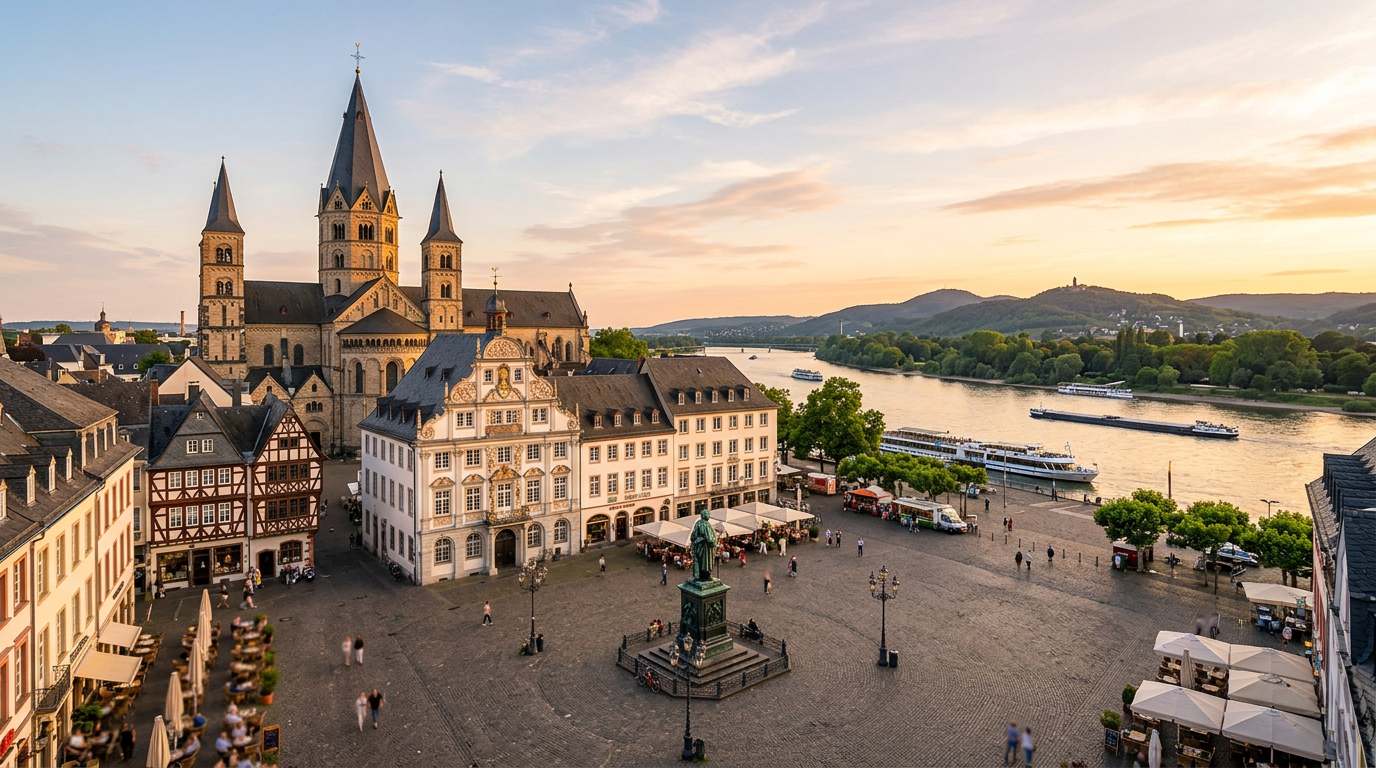
Located just 30 kilometers south of Cologne along the Rhine, Bonn served as West Germany's capital from 1949 to 1990 and retains significant political and cultural institutions. The city is best known as Beethoven's birthplace; his birth house operates as a museum displaying original manuscripts, instruments, and personal belongings. The Museum Mile (Museumsmeile) includes the Haus der Geschichte (Museum of German History), Kunstmuseum Bonn (art museum), and Bundeskunsthalle (exhibitions center). Bonn's Old Town features charming squares, the pink Baroque-style Old Town Hall, and vibrant market streets. The drive from Cologne via B9 along the Rhine offers continuous river views, or you can take the faster A555 autobahn route.

Aachen: Imperial City at the Border

Approximately 70 kilometers west of Cologne near the Belgian and Dutch borders, Aachen (historically known as Aix-la-Chapelle) holds immense historical significance as the seat of Charlemagne's court and the coronation site of Holy Roman Emperors. The Aachen Cathedral, a UNESCO World Heritage Site, features the Palatine Chapel built by Charlemagne in the 8th century, along with the golden shrine containing his relics. The city's spa tradition dates back to Roman times, and its Christmas market ranks among Germany's most atmospheric. The drive takes about one hour via the A4 autobahn through gently rolling countryside.

The Romantic Rhine Valley

The Rhine Gorge (Rheinschlucht) between Koblenz and Rüdesheim, about 60-100 kilometers southeast of Cologne, represents one of Europe's most castle-rich landscapes. The valley's steep vineyards produce excellent Riesling wines, and dozens of medieval fortresses crown rocky outcrops above the river. Notable sites include Marksburg Castle (the only Rhine fortress never destroyed), Rheinfels Castle above St. Goar, and the iconic Lorelei Rock with its legend of the singing siren. River towns like Bacharach, Boppard, and Oberwesel feature intact town walls, half-timbered houses, and wine taverns serving local vintages. The riverside B9 and B42 roads provide spectacular driving routes, though be prepared for narrow sections and summer tourist traffic.

Eifel National Park and Volcanic Landscape

The Eifel region, stretching southwest from Cologne toward the Belgian border, combines volcanic geology, extensive forests, and traditional villages. The Eifel National Park near Monschau offers hiking trails through beech forests and past waterfalls, while the volcanic crater lakes (Maare) near Daun provide swimming and water sports opportunities. Monschau itself is a picture-perfect town with cobblestone streets, half-timbered houses, and a hilltop castle. The drive from Cologne takes approximately one hour via the A1 and A60 autobahns. Consider visiting in autumn when the forests display brilliant colors, or in winter when Christmas markets fill town squares.

Düsseldorf: Modern Metropolis

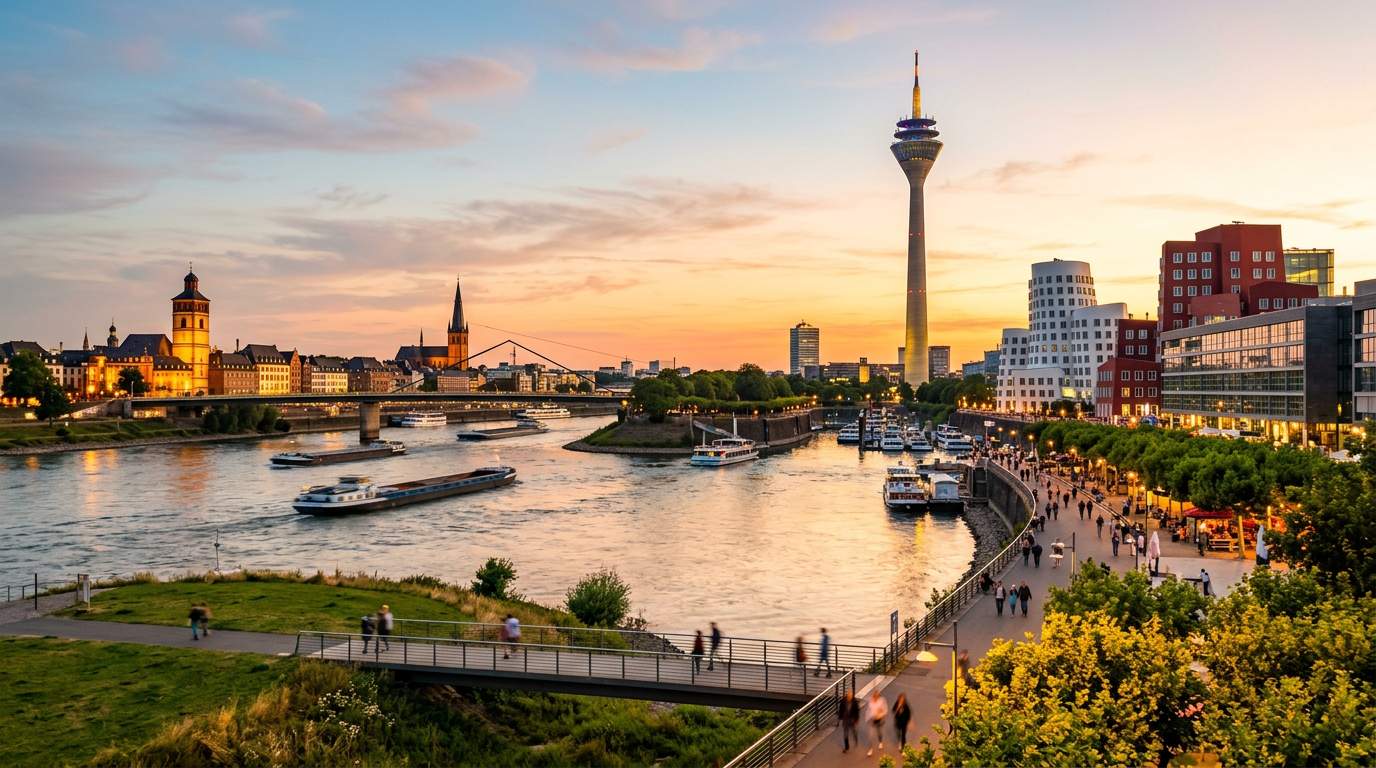
North Rhine-Westphalia's capital lies just 40 kilometers north of Cologne and offers a contrasting urban experience. Düsseldorf is renowned for its fashion industry, contemporary architecture, and elegant shopping boulevard, the Königsallee. The Altstadt (Old Town), nicknamed "the longest bar in the world," features hundreds of brewpubs serving Altbier, the city's distinctive dark beer. The Rhine riverfront promenade (Rheinuferpromenade) provides walking and cycling paths with views of the futuristic Medienhafen (Media Harbor) architecture. Art enthusiasts should visit Museum Kunstpalast and K20/K21 contemporary art galleries. The drive via A57 autobahn takes about 45 minutes under normal traffic conditions.
Vehicle Categories for Cologne Car Rental

Selecting the appropriate vehicle category depends on your specific travel plans, group size, luggage requirements, and intended destinations. Our partner network in Cologne offers a comprehensive range of options suited to different needs and budgets.

Economy and Compact Cars

Small vehicles like the VW Polo, Ford Fiesta, or Opel Corsa are ideal for solo travelers or couples planning primarily urban exploration and short-distance day trips. These cars offer excellent fuel efficiency, easy parking in tight city spaces, and lower rental rates. They handle Cologne's narrow streets comfortably and fit into standard parking spaces without difficulty. However, luggage capacity is limited, and highway driving can feel less stable at high autobahn speeds. Choose this category if you're staying primarily within Cologne or making day trips to nearby cities like Bonn or Düsseldorf.

Mid-Size Sedans and Wagons

Vehicles such as the VW Golf, Audi A3, or BMW 3-Series provide a balance between maneuverability and comfort. These cars offer more spacious interiors, larger luggage capacity, and better highway stability for longer-distance driving. They're well-suited for small families or groups of three adults planning multi-day tours through the Rhine Valley or Eifel region. Station wagon (estate) versions provide significantly more cargo space while maintaining similar dimensions to sedans, making them popular choices for travelers with sports equipment or extensive luggage.

SUVs and Crossovers

Sport utility vehicles and crossovers like the VW Tiguan, Audi Q5, or BMW X3 offer elevated seating positions, enhanced visibility, and superior comfort for long-distance touring. They provide ample space for four to five passengers with luggage and handle unpaved roads in rural areas more confidently. The higher driving position appeals to many drivers unfamiliar with narrow European streets. However, these vehicles consume more fuel, cost more to rent, and can be challenging to park in tight urban garages. Choose an SUV if you're planning extended tours with significant luggage, traveling with family, or prioritizing comfort over economy.

Luxury and Premium Models

Premium vehicles from manufacturers like Mercedes-Benz, BMW, and Audi offer superior comfort, advanced technology, and enhanced performance. These cars feature sophisticated navigation systems, premium audio, adaptive cruise control, and refined interiors. They're ideal for business travelers, special occasions, or those who prioritize driving experience and comfort on longer tours. The German autobahn system allows these vehicles to demonstrate their capabilities, though rental rates and fuel consumption reflect their premium positioning.

Vans and People Carriers

For larger groups or families, seven to nine-seat vans like the VW Multivan, Mercedes V-Class, or Ford Transit Custom provide essential space and flexibility. These vehicles accommodate multiple adults comfortably with luggage, making them practical for group tours or multi-generational family trips. Modern people carriers offer car-like handling and comfort rather than the commercial feel of traditional vans. However, they require more attention when parking and navigating narrow streets, and some parking garages have height restrictions.

Cheap Car Rental Cologne: Finding Value Without Compromise

Securing affordable car hire in Cologne requires understanding pricing factors, booking strategies, and how to identify genuine value beyond the base rate. As an intermediary platform, Glocal Germany helps you compare offers from multiple providers to find optimal combinations of price and service quality.

Factors Influencing Rental Costs

Car rental pricing in Cologne varies based on several key factors. Seasonality plays a significant role; summer months (June through August) and major events like Cologne Carnival (February/March) see increased demand and higher rates. Booking in advance, typically three to four weeks before your arrival, generally secures better pricing than last-minute reservations. Vehicle category significantly impacts cost, with economy cars costing substantially less than SUVs or luxury models. Rental duration affects daily rates; week-long rentals usually offer better per-day pricing than two or three-day bookings. Additional features like GPS navigation, child seats, or additional drivers increase total costs.

Insurance and Coverage Considerations

The base rental rate rarely tells the complete story. Comprehensive insurance coverage is essential for worry-free driving in Germany, where accident liability can result in significant costs. Basic coverage typically includes third-party liability (mandatory by law), collision damage waiver (CDW), and theft protection. However, these may come with substantial deductibles (excess amounts) you pay in case of damage. Full coverage options with zero excess provide complete peace of mind but increase daily rates. Carefully review what's included in quoted prices and consider whether your personal travel insurance or credit card offers supplementary coverage that might reduce the need for rental company add-ons.

Mileage Policies

Some economy rental rates include limited mileage (e.g., 200 kilometers per day), with additional charges for excess distance. For tours beyond Cologne, particularly multi-day trips through the Rhine Valley or to distant cities, unlimited mileage packages prove more economical and eliminate the need to track distance. Calculate your expected driving based on planned destinations; a round trip from Cologne to Munich covers over 1,100 kilometers, quickly consuming limited mileage allowances.

Comparison Shopping Through Glocal Germany

Our platform aggregates offers from established local providers in Cologne, allowing you to compare pricing, included features, vehicle categories, and customer ratings in a single interface. We partner exclusively with licensed agencies that maintain transparent pricing and comprehensive insurance options. By comparing multiple providers, you often identify significant price differences for identical vehicle categories and coverage levels. Customer reviews provide insights into service quality, vehicle condition, and pickup/drop-off efficiency that pricing alone cannot reveal.

Practical Tips for Cologne Car Rental

Maximizing your car hire experience involves attention to practical details before, during, and after your rental period.

Documentation and Requirements

German rental agencies require a valid driver's license held for at least one year (two years for drivers under 25). International drivers should carry both their national license and an International Driving Permit (IDP) if their license is not in Roman alphabet. Some providers accept licenses in English, German, or French without an IDP, but verification is advisable. A credit card in the main driver's name is essential for security deposits; debit cards are rarely accepted. Minimum age requirements typically start at 21 years, with young driver surcharges applied for those under 25. Some premium or larger vehicles have higher minimum age requirements (25 or even 30 years).

Pre-Rental Vehicle Inspection

Upon collecting your rental car, conduct a thorough exterior and interior inspection before leaving the facility. Document any existing scratches, dents, or damage with photos or video on your smartphone, ensuring date/time stamps are visible. Check that all lights, indicators, and windshield wipers function correctly. Verify the presence of required equipment including warning triangle, first-aid kit, and reflective safety vest (legally required in Germany). Confirm fuel level and fuel type. Familiarize yourself with vehicle controls, especially headlights (often on different switches than North American vehicles), indicators, and parking brake. Request a demonstration if needed; agencies prefer this to post-rental questions.

Traffic Regulations and Common Violations

Germany enforces traffic laws strictly with automated camera systems and frequent police patrols. Speed limits in urban areas are typically 50 km/h, dropping to 30 km/h in residential zones. Autobahn sections without posted limits still require appropriate speed for conditions. Right-of-way rules give priority to vehicles approaching from the right at unmarked intersections, and trams always have priority at crossings. Mobile phone use while driving is prohibited except with hands-free systems. Fines for violations are substantial and charged directly to your credit card by rental companies who receive the citations. Parking violations also result in fines; observe time limits and payment requirements carefully.

Emergency Procedures and Roadside Assistance

In case of breakdown or accident, rental vehicles include 24-hour roadside assistance contact information in the glove compartment or on a sticker near the dashboard. On autobahns, orange emergency call boxes are positioned every two kilometers, though mobile phones now handle most emergency communications. For accidents, even minor ones, contact the police (110) to document the incident for insurance purposes. The rental agency's emergency number should be called immediately to report the situation and receive instructions. Never admit fault or sign documents you don't understand; wait for professional assistance and translation if needed.

Seasonal Considerations for Cologne Car Rental

Different seasons bring distinct advantages and challenges for driving in and around Cologne, influencing vehicle choice, route planning, and what to pack.

Spring (March-May)

Spring brings mild weather and blooming landscapes to western Germany, making it an excellent time for touring the Rhine Valley vineyards and Eifel National Park. Roads are generally clear of winter weather, though April showers can create wet conditions. This season sees fewer tourists than summer, resulting in more availability and better pricing for rentals. Spring also coincides with Cologne Carnival (usually February/March), one of Germany's largest festivals, when the city fills with visitors and parking becomes extremely challenging. If visiting during Carnival, book well in advance and expect higher rates.

Summer (June-August)

Peak tourist season brings warm weather, long daylight hours, and the best conditions for outdoor activities and castle visits. However, summer also means higher rental rates, more limited availability, and increased traffic on popular routes like the Rhine Valley roads. Tourist attractions and parking areas fill quickly, particularly on weekends. Hotels and restaurants in tourist destinations require advance reservations. Despite these challenges, summer offers optimal weather for open-air experiences, vineyard visits, and riverside dining. Book rentals several weeks ahead and plan to visit popular sites early in the day or on weekdays when possible.

Autumn (September-November)

Autumn ranks among the best seasons for driving in western Germany. Forests display spectacular fall colors, especially in the Eifel region. Grape harvest season brings wine festivals to Rhine Valley villages, and tourist crowds thin out after summer. Weather remains generally pleasant through October, though November brings more rain and shorter days. Rental availability improves and rates decrease compared to summer. This season offers excellent value with fewer visitors yet still-favorable weather for touring.

Winter (December-February)

Winter driving in the Cologne region requires preparation for cold weather and potential snow or ice, particularly in elevated areas like the Eifel. The lowland Rhine Valley around Cologne itself rarely experiences severe winter weather, but roads can be slick during freezing rain events. Winter tires (mandatory from November through March when conditions require) are standard on all rental vehicles. Christmas markets throughout Cologne and surrounding cities create magical atmospheres and draw visitors despite cold temperatures. Rental rates are generally lower in winter except during the holiday period. Pack warm clothing and expect shorter daylight hours that limit touring time.

Related Services for Your Cologne Visit

While a rental car provides essential mobility, a complete travel experience requires additional services that Glocal Germany helps you arrange through trusted partners.

Travel eSIM for Seamless Connectivity

Reliable mobile data is essential for navigation apps, researching destinations, booking restaurants, and staying connected during your German adventure. Rather than dealing with physical SIM cards or expensive roaming charges, a travel eSIM provides instant connectivity upon arrival. Our eSIM partner offers Germany-specific and Europe-wide data plans that activate immediately, support all major smartphones, and include generous data allowances for navigation and communication. Having active data from the moment you land eliminates the stress of finding Wi-Fi or purchasing local SIM cards.

Stay Connected Throughout Your Journey

Activate your Germany travel eSIM before departure and have working data the moment you arrive.

Get Your eSIM for Germany

Comprehensive Travel Insurance

While rental car insurance covers vehicle-related incidents, comprehensive travel insurance protects against medical emergencies, trip interruptions, lost luggage, and other unforeseen circumstances. Our insurance partner offers policies specifically designed for European travel that include medical coverage exceeding local requirements, emergency medical evacuation, trip cancellation protection, and 24-hour assistance services. Given the costs associated with medical treatment, flight changes, or rental car accidents, appropriate insurance provides essential peace of mind.

Travel with Confidence and Protection

Comprehensive coverage for medical emergencies, trip disruptions, and rental car incidents.

Get Travel Insurance

Flight and Hotel Booking

Whether you're flying into Cologne Bonn Airport or arriving via Frankfurt or Düsseldorf, our flight comparison tools help you find optimal connections at competitive prices. For accommodation, Cologne offers everything from budget hostels to luxury hotels along the Rhine. Staying near the Hauptbahnhof provides easy access to car rental pickup locations and places you within walking distance of the cathedral and Old Town. Alternatively, hotels in the Deutz district on the eastern bank offer views of the cathedral and slightly lower prices than city center properties.

Complete Your Travel Arrangements

Find flights and hotels that perfectly complement your Cologne car rental plans.

Compare Flights | Find Hotels

Frequently Asked Questions: Car Rental in Cologne

What documents do I need to rent a car in Cologne?

You need a valid driver's license held for at least one year, a credit card in the main driver's name for the security deposit, and your passport or ID card. International visitors with licenses not in Roman alphabet should carry an International Driving Permit (IDP) alongside their national license. Some providers accept English, German, or French licenses without an IDP. Minimum age is typically 21 years, with young driver surcharges for those under 25.

Should I rent a car at Cologne Airport or in the city center?

Choose airport pickup if you plan to drive directly to destinations outside Cologne or want a vehicle throughout your stay. The airport offers immediate access to the autobahn network without navigating urban traffic. Select city center pickup if you'll spend several days exploring Cologne on foot or via public transport before embarking on regional tours. This avoids parking costs and challenges during your urban phase. Both options provide the same vehicle categories and insurance coverage.

Are there speed limits on German autobahns around Cologne?

German autobahns include both unrestricted sections and areas with posted speed limits. Electronic signs display current restrictions based on traffic, weather, or construction. Even on unrestricted stretches, the recommended speed (Richtgeschwindigkeit) is 130 km/h. Urban areas have 50 km/h limits, dropping to 30 km/h in residential zones. Speed limits are strictly enforced with automated cameras and substantial fines for violations. Always drive at speeds appropriate for current conditions regardless of posted limits.

What insurance coverage do I need for a rental car in Cologne?

Basic coverage includes mandatory third-party liability, collision damage waiver (CDW), and theft protection, typically with a deductible (excess). For worry-free driving, consider full coverage with zero excess that eliminates out-of-pocket costs for damage or theft. Verify what's included in your quoted price and whether your personal travel insurance or credit card provides supplementary coverage. German rental agencies are thorough in documenting pre-existing and new damage, making comprehensive coverage advisable.

Can I drive my Cologne rental car to other European countries?

Most rental agencies allow cross-border travel to neighboring Western European countries including Belgium, Netherlands, Luxembourg, France, Austria, and Switzerland, though you must inform them during booking. Some countries like the Czech Republic, Poland, or Italy may require additional insurance or permissions. Eastern European countries often have restrictions. Always verify cross-border policies during booking and carry proper documentation. Additional fees may apply for international travel.

What's included in the rental price for a car in Cologne?

Base rental prices typically include the vehicle for the specified period, basic insurance coverage (often with deductible), mandatory winter tires (November-March when needed), legally required equipment (warning triangle, first-aid kit, reflective vest), and an Environmental Zone sticker for Cologne. Additional costs may include GPS navigation, additional drivers, child seats, fuel, parking, one-way fees if dropping off at a different location, and coverage upgrades. Always review the full price breakdown before confirming your booking.

Where can I find cheap car rental deals in Cologne?

Securing affordable rentals involves booking in advance (3-4 weeks ahead), traveling during off-peak seasons (autumn and early spring), comparing offers from multiple providers through platforms like Glocal Germany, choosing economy vehicle categories, and considering weekly rather than daily rates. Be cautious of extremely low prices that may exclude essential coverage or include restrictive mileage limits. True value combines competitive pricing with comprehensive coverage and good vehicle condition.

Is it difficult to drive in Cologne city center?

Cologne's city center features complex one-way streets, tram tracks embedded in roads, pedestrian zones, and the circular ring road system. First-time drivers should use navigation apps and drive cautiously near tram tracks to avoid tire damage. Parking is primarily in multi-story garages and underground facilities; street parking is limited with time restrictions. The Environmental Zone requires an emissions sticker (included with rental cars). Once you understand the ring road system and parking options, navigation becomes manageable. Consider exploring the city on foot initially and using the car for excursions beyond the urban core.

Explore More German Cities with Glocal Germany

Cologne serves as an excellent base for exploring western Germany, but our car rental services extend throughout the country, connecting you with reliable providers in every major destination.

View All German Cities

Ready to Explore Cologne and Western Germany?

Compare rental cars from trusted local providers in Cologne. Get instant quotes, transparent pricing, and comprehensive insurance coverage for your German adventure.

Compare Car Rental Deals Now